
12 September 2025
From 7th to 12th September 2025, the RDF Ghana LBG Board visited Bono East, Northern, and Upper West regions to assess the impact of RDF's interventions and identify strategic opportunities for scaling.
From 7th to 12th September 2025, the RDF Ghana LBG (RDF) Board visited Bono East, Northern, and Upper West regions to assess the impact of RDF's interventions and identify strategic opportunities for scaling. The visit confirmed that RDF's model is delivering transformative results, with deployed capital being repaid and generating significant socio-economic outcomes.
The field visit confirmed several key insights. RDF's model is working effectively, with loans catalyzing business growth, enabling diversification, and integrating smallholder farmers into formal supply chains such as Diageo and Nestlé. Secure market access emerged as a strong driver for adopting climate-smart practices, including drought-tolerant seeds and satellite yield prediction.
Women's empowerment was evident through increased confidence, active participation, and reinvestment in alternative businesses, while Village Savings and Loans Associations proved highly effective for financial inclusion.
However, gaps remain in agronomic support, mechanization, storage, and clean energy solutions, which limit efficiency and resilience. To address these challenges and unlock the next tier of impact, the report recommends securing growth capital to meet rising demand, formalizing and scaling gender-focused strategies, enhancing agronomic support through technology-enabled solutions, forging partnerships for mechanization and storage, and promoting clean energy alternatives for women processors. These actions will strengthen RDF's ability to scale its proven model and deliver deeper, more sustainable outcomes for rural communities.
The visit strengthened stakeholder trust and reaffirmed RDF's leadership commitment to inclusive rural development. Addressing identified gaps will unlock the next tier of growth and resilience for farmers, positioning RDF to scale its proven model for greater impact.
Findings: The RDF Model works. Deployed capital is being repaid and is generating profound, life-changing impact. Beneficiary testimonies confirm that RDF's loans are successfully catalyzing business growth, enabling diversification into secondary enterprises (e.g. dressmaking), and facilitating smallholder farmers' entry into formal high value supply chains such as Diageo and Nestle. These interventions are creating a powerful ripple effect across local economies. With significant demand for expansion, there is a clear opportunity to scale these efforts.
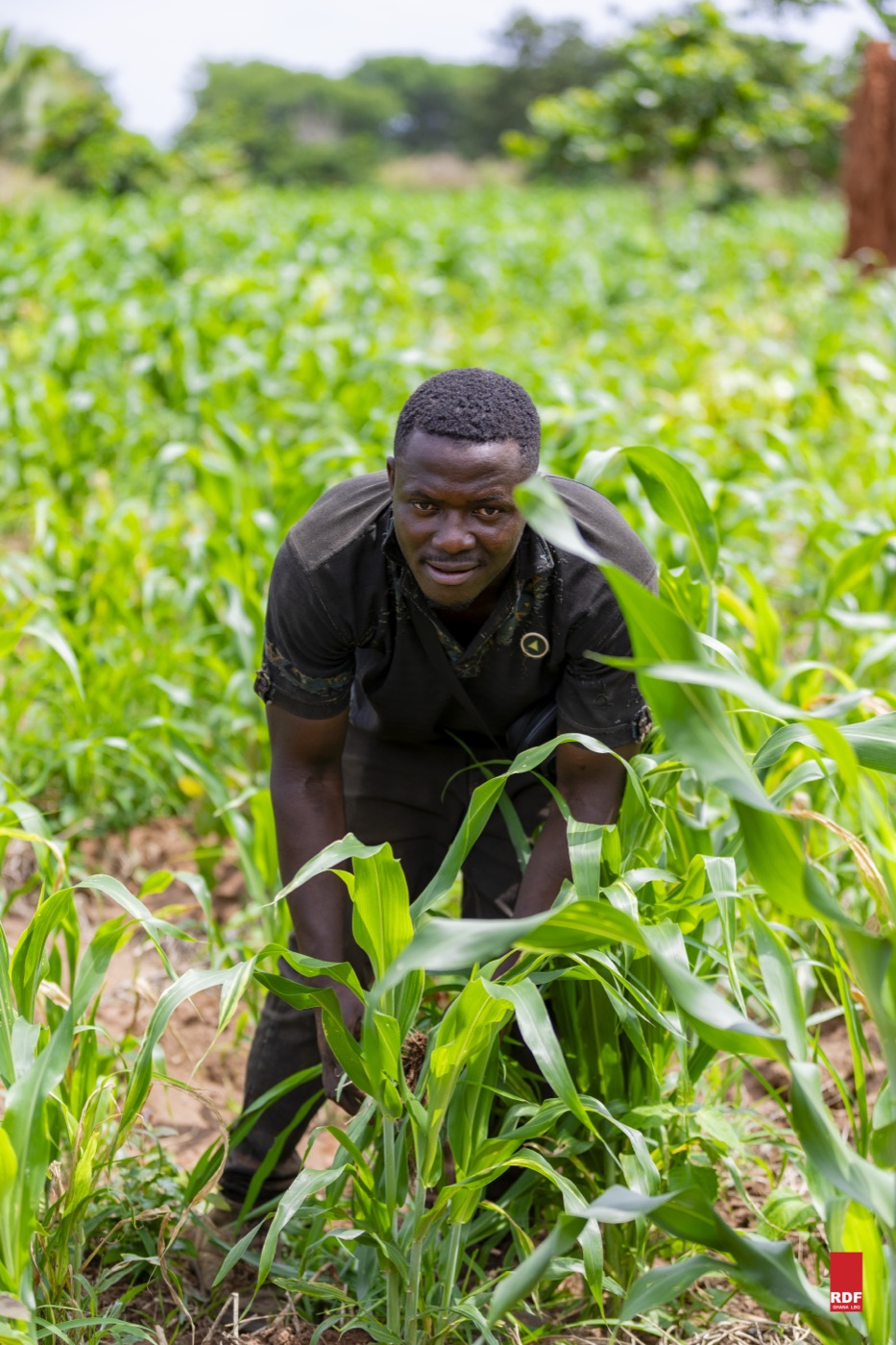
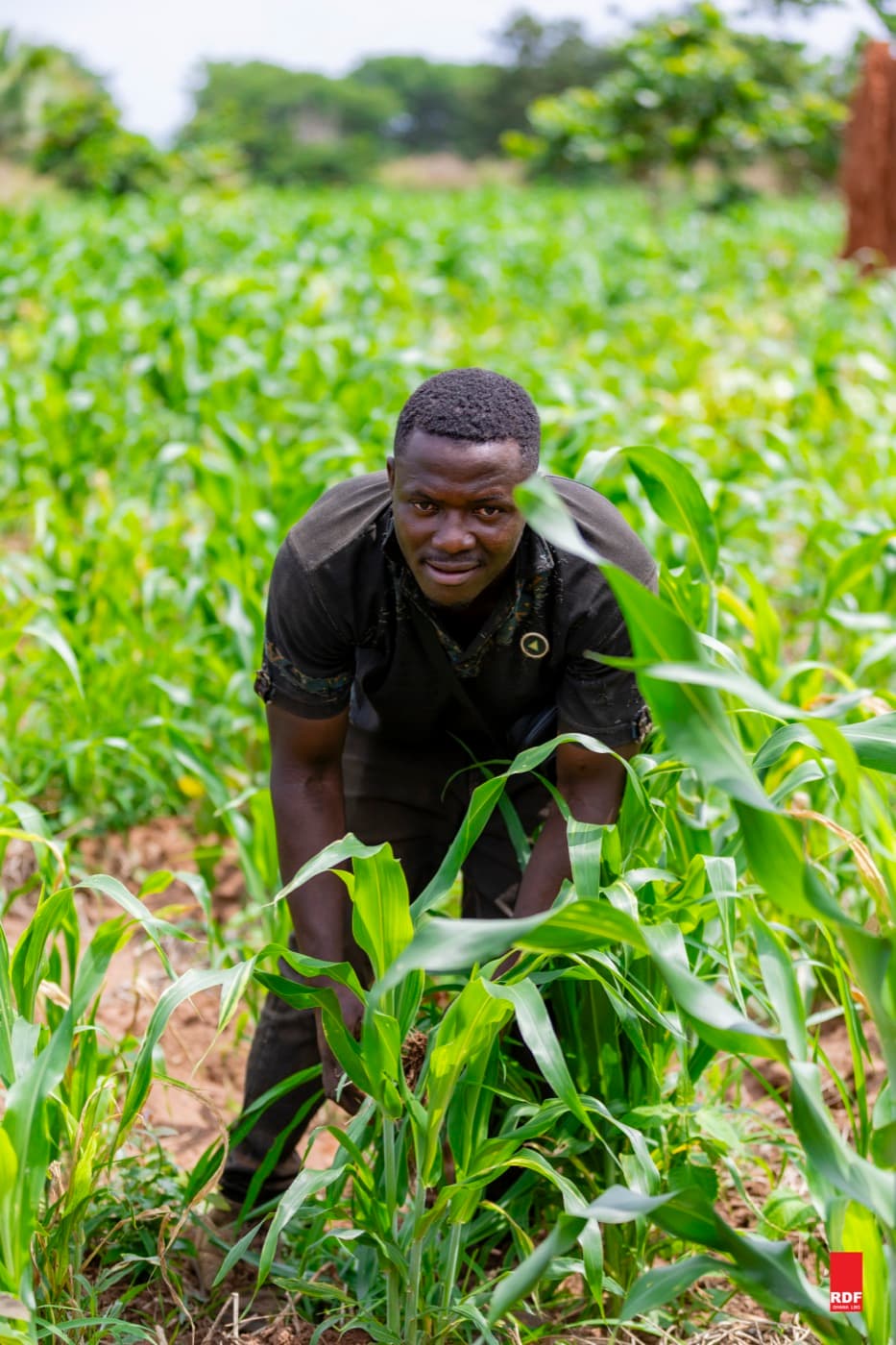
Findings: Farmers are more willing to adopt new practices like drought-tolerant seeds (Oyster) and satellite yield prediction (Degas) when assured of secure market access through contracts with companies such as Diageo and Nestle. This validates the significant importance of market linkages in RDF's outgrower model and demonstrates that scaling these partnerships is an effective strategy for building climate resilience.
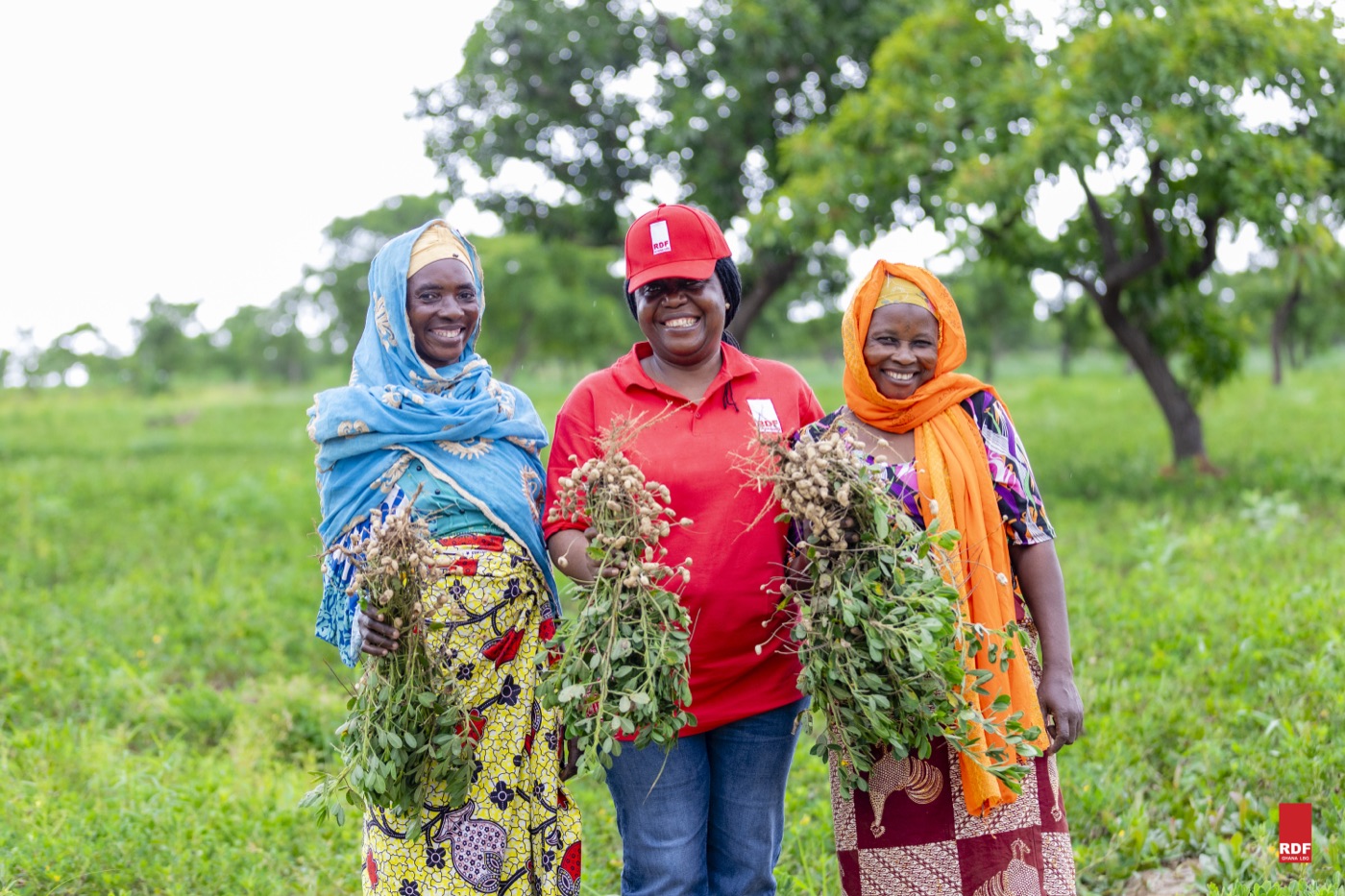
Findings: The impact on women extends beyond increased incomes. The board observed a marked positive shift in confidence and social standing, evidenced by assertive and increased participation in meetings, and ability to invest profits in alternative businesses, signaling a deep, sustainable impact on livelihoods. Village Savings and Loans Associations (VSLAs) were validated as highly effective tools for financial inclusion, savings, and empowering women's groups.
Findings: A critical gap exists in the consistency and depth of agronomic support. Limited field mapping and infrequent agent visits prevent personalized advice and timely interventions, leaving farmers without the comprehensive technical assistance needed to maximize the yield potential of improved seeds and inputs.
Findings: Across all 3 regions visited, farmers consistently highlighted limited access to affordable tractor services, storage facilities, and small-scale processing equipment. This reliance on manual labour limits their ability to scale operations and improve efficiency.
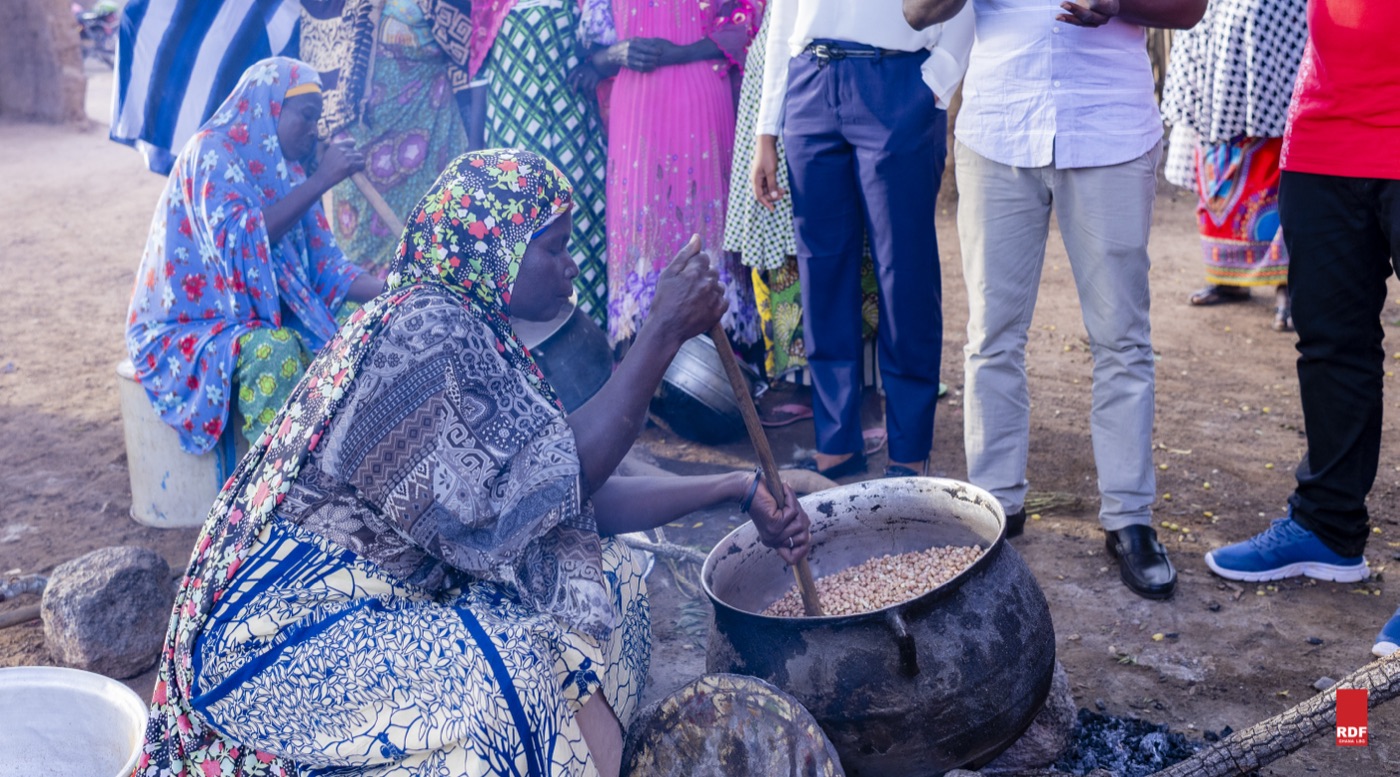
Findings: The traditional method of open-fire roasting poses a threat to women's health through smoke inhalation, increases climate vulnerability by driving deforestation for fuelwood, and limits business efficiency. Introducing clean energy alternatives is a single intervention that simultaneously protects health, reduces the use of fuelwood due to improved heat retention, and enhances efficiency.
The validated success of the RDF model has generated significant demand from existing and new potential intermediaries. The primary barrier to growth is no longer the model's efficacy but the scale of available capital. RDF should proactively secure affordable patient capital to expand its operations, leveraging on the compelling evidence of impact demonstrated by this field visit.
To build on the profound empowerment observed among women beneficiaries, RDF should codify and scale its gender-focused strategy. This involves developing a Gender Lens Policy, allocating dedicated funding to scale high-impact initiatives like VSLA and women-dominated outgrower schemes, and embedding gender specific metrics from best practices.
To mitigate portfolio risk and unlock yield potential, RDF should engage intermediaries on a more cost-efficient agronomic support model. This requires integrating technology solutions, such as virtual consultations, remote diagnostics, and SMS based advice, to complement physical visits. Through technical assistance, RDF could facilitate these engagements, and further support initiatives focused on education and training of farmers in that regard. Furthermore, RDF should enhance its due diligence to verify intermediary agronomic support plans and deploy technical assistance where there are gaps.
To address the critical barrier of limited access to machinery and storage, RDF could act as a facilitator rather than a provider. RDF should consider establishing formal partnerships with established mechanization service platforms (e.g. Tractor App, Trotro Tractor), and warehouse providers (e.g., GCX) to create affordable access for farmers. Additionally, the capacity of potential intermediaries to address these bottlenecks must be thoroughly evaluated during RDF's investment due diligence.
To address the challenges of traditional shea and groundnut processing, RDF could structure a sustainable programme for adopting clean-energy alternatives. Given that some alternatives still rely on fuelwood but less amounts, RDF could initiate a small-scale agroforestry programme encouraging recipients to plant fast-growth trees on plot boundaries. That way the transition can be truly climate-resilient.
The field visit has successfully fulfilled its core objectives, providing strong evidence base that both validates RDF's current model, and charts a clear course for its future.
First, the direct personal stories from beneficiaries across all three regions demonstrated the effective and transformative impact of RDF's intervention. It confirms that the model is sound and demands scaling, but it also exposes weaknesses in value chain infrastructure (processing, storage). Second, the visit identified specific, actionable challenges that if addressed, will unlock the next tier of growth and resilience for farmers. Lastly, direct engagement by the board with intermediaries and beneficiaries has built immense goodwill and trust. This visible leadership presence signals a genuine commitment, which strengthens RDF's brand as a dedicated, listening institution.